
Do we have family resemblance?

When the world sees us, they need to view a reflection of Jesus.
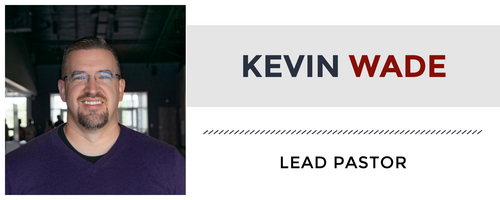
By Pastor Kevin Wade
It’s easy to talk about “being the church.” But what does that look like? How do we live it in the real world?
In the book of Acts, specifically chapter 11, we see the moment when followers of Jesus were first called “Christians” in Antioch. Interestingly, that wasn't originally a badge of honor – it was actually a derogatory nickname. The people in the community looked at this diverse group and said, “They’re like little Christs. They’re acting just like that Jesus guy.”
That’s the goal, isn't it? To be so identified with Him that it changes how we move in the world. As we unpack what happened in Antioch, I see four practical ways these early Christians built the kingdom, and I think they’re the blueprint for us today.
They understood the Gospel is for everyone
In Antioch, regular people who had been scattered by persecution started sharing the Gospel. But they did something smart: They understood their audience. Instead of using “Christianese” words that nobody understood, they spoke to the Greeks in a way that made sense to them. In a similar way, we don’t need to speak like a theological dictionary. Let’s just tell people who we used to be before Jesus and what He’s done in our lives since. That’s a language everyone understands.
Be a Son (or Daughter) of Encouragement
I like to make up words, so let’s make “Barnabas” a verb. Barnabas was known as the “Son of Encouragement.” When he showed up in Antioch, he didn't start criticizing how they were doing things. He witnessed the grace of God and rejoiced. He saw people who should have been enemies – Jews and Gentiles – worshiping together as friends. This sounds simple enough, but it’s something extraordinarily rare in the world. When such unity exists, people understand that God is real. Look for the grace of God in the person sitting next to you. Instead of looking for what’s wrong, ask how you can lift someone up or help them stay resolute in their faith.
Involve and invite
Barnabas realized the work was getting too big for him to do alone, so he traveled for days to find Paul. He knew Paul’s talents and knew he belonged in the mix. Here’s an application: If you love serving in kids' ministry and you have a friend who’s great with kids, invite them to join you. If you have a friend who is outgoing and loves to talk, ask them to greet at the door with you. Don’t do ministry alone. Inclusion is how the church stays healthy and grows. Discipleship isn’t merely knowing, it’s doing.
Everyone is needed
When a famine was predicted, the church in Antioch didn't hoard their resources. They made a plan to help their brothers and sisters in Judea. It wasn't about equal giving; it was about equal sacrifice. Ministry costs something – time, talent and money. We can do so much more together than we can separately. As one body, we can only function well when we work and walk together. If we’re missing that little toe, it will definitely break our stride.
The big question
A friend shared something with me this week that struck my heart, and I want to leave it with you: “What would this church become if everyone contributed the way that I do?”
Think about that for a second. If every person here acted exactly like us, would the church be friendlier? Would guests feel welcome? Would the lonely be noticed? Would the prayer life of the church increase?
Our church will only ever be a reflection of the people in it. So who are we? Let’s stop holding back. Let’s be the church that makes people stop and say, “Those people look a lot like Jesus.”
In the book of Acts, specifically chapter 11, we see the moment when followers of Jesus were first called “Christians” in Antioch. Interestingly, that wasn't originally a badge of honor – it was actually a derogatory nickname. The people in the community looked at this diverse group and said, “They’re like little Christs. They’re acting just like that Jesus guy.”
That’s the goal, isn't it? To be so identified with Him that it changes how we move in the world. As we unpack what happened in Antioch, I see four practical ways these early Christians built the kingdom, and I think they’re the blueprint for us today.
They understood the Gospel is for everyone
In Antioch, regular people who had been scattered by persecution started sharing the Gospel. But they did something smart: They understood their audience. Instead of using “Christianese” words that nobody understood, they spoke to the Greeks in a way that made sense to them. In a similar way, we don’t need to speak like a theological dictionary. Let’s just tell people who we used to be before Jesus and what He’s done in our lives since. That’s a language everyone understands.
Be a Son (or Daughter) of Encouragement
I like to make up words, so let’s make “Barnabas” a verb. Barnabas was known as the “Son of Encouragement.” When he showed up in Antioch, he didn't start criticizing how they were doing things. He witnessed the grace of God and rejoiced. He saw people who should have been enemies – Jews and Gentiles – worshiping together as friends. This sounds simple enough, but it’s something extraordinarily rare in the world. When such unity exists, people understand that God is real. Look for the grace of God in the person sitting next to you. Instead of looking for what’s wrong, ask how you can lift someone up or help them stay resolute in their faith.
Involve and invite
Barnabas realized the work was getting too big for him to do alone, so he traveled for days to find Paul. He knew Paul’s talents and knew he belonged in the mix. Here’s an application: If you love serving in kids' ministry and you have a friend who’s great with kids, invite them to join you. If you have a friend who is outgoing and loves to talk, ask them to greet at the door with you. Don’t do ministry alone. Inclusion is how the church stays healthy and grows. Discipleship isn’t merely knowing, it’s doing.
Everyone is needed
When a famine was predicted, the church in Antioch didn't hoard their resources. They made a plan to help their brothers and sisters in Judea. It wasn't about equal giving; it was about equal sacrifice. Ministry costs something – time, talent and money. We can do so much more together than we can separately. As one body, we can only function well when we work and walk together. If we’re missing that little toe, it will definitely break our stride.
The big question
A friend shared something with me this week that struck my heart, and I want to leave it with you: “What would this church become if everyone contributed the way that I do?”
Think about that for a second. If every person here acted exactly like us, would the church be friendlier? Would guests feel welcome? Would the lonely be noticed? Would the prayer life of the church increase?
Our church will only ever be a reflection of the people in it. So who are we? Let’s stop holding back. Let’s be the church that makes people stop and say, “Those people look a lot like Jesus.”
Recent
Manna Missions Conference: Vision and Action
September 29th, 2026
Why You Won't Win People to Jesus in Facebook Comments
September 22nd, 2026
Turning the World Right-Side Up
September 15th, 2026
September Bible Reading Plan
September 3rd, 2026
The Early Church Reminds Us: Give First Place to Grace
August 18th, 2026
Archive
2026
February
March
May
June
July
2025
December
Categories
no categories
No Comments